
Kazakhstan’s Vision for Sustainable Development and Modernization
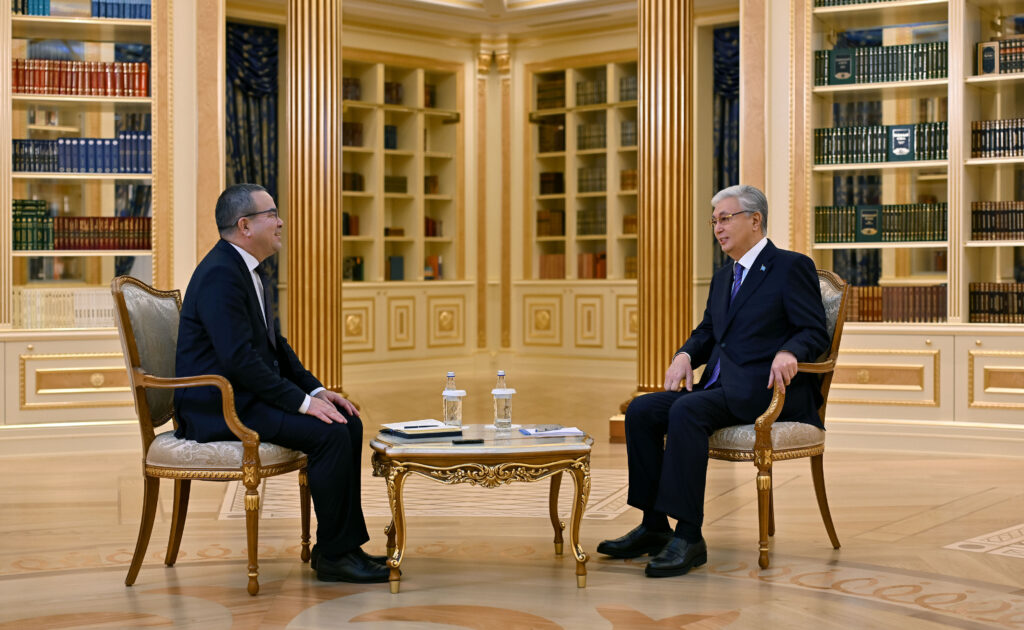
Kazakhstan is entering a new era of strategic modernization aimed at strengthening the economy, promoting social equity, and enhancing its role in the global community. In a recent interview with Turkistan newspaper, President Kassym‑Jomart Tokayev outlined the country’s reform agenda, emphasizing long-term thinking and alignment with international development priorities.
In 2025, Kazakhstan’s economy grew over 6%, with GDP surpassing $300 billion and GDP per capita exceeding $15,000, marking significant structural progress. Yet the President stressed that economic growth alone is not sufficient; reforms must ensure sustainable development and social well-being. Central to this is a modernized Tax Code, designed to enhance transparency, fairness, and public trust while supporting infrastructure and social services.
Energy and utility reforms are also underway, replacing inefficient cross-subsidies with pricing based on actual consumption, alongside targeted support for vulnerable households. At the same time, fiscal discipline and multi-year programs aim to curb inflation and strengthen macroeconomic stability.
Kazakhstan has designated 2026 as the Year of Digitalization and Artificial Intelligence, launching initiatives to expand AI governance, supercomputing infrastructure, and digital education. Innovation hubs like Astana Hub exemplify how technology can drive economic growth and high-value jobs, positioning the country competitively in the global digital economy.
Strategic investments in transport, logistics, and agriculture aim to strengthen Kazakhstan’s role as a regional hub, enhancing trade connectivity and food security. Governance reforms, anti-corruption measures, and legal improvements reflect the country’s commitment to transparency, rule of law, and investor confidence.
Looking ahead, Kazakhstan’s reforms prioritize irreversible modernization, innovation, and social equity. By combining economic growth, technological advancement, and responsible governance, the country presents a model of comprehensive reform designed to benefit current and future generations.