


Global ID
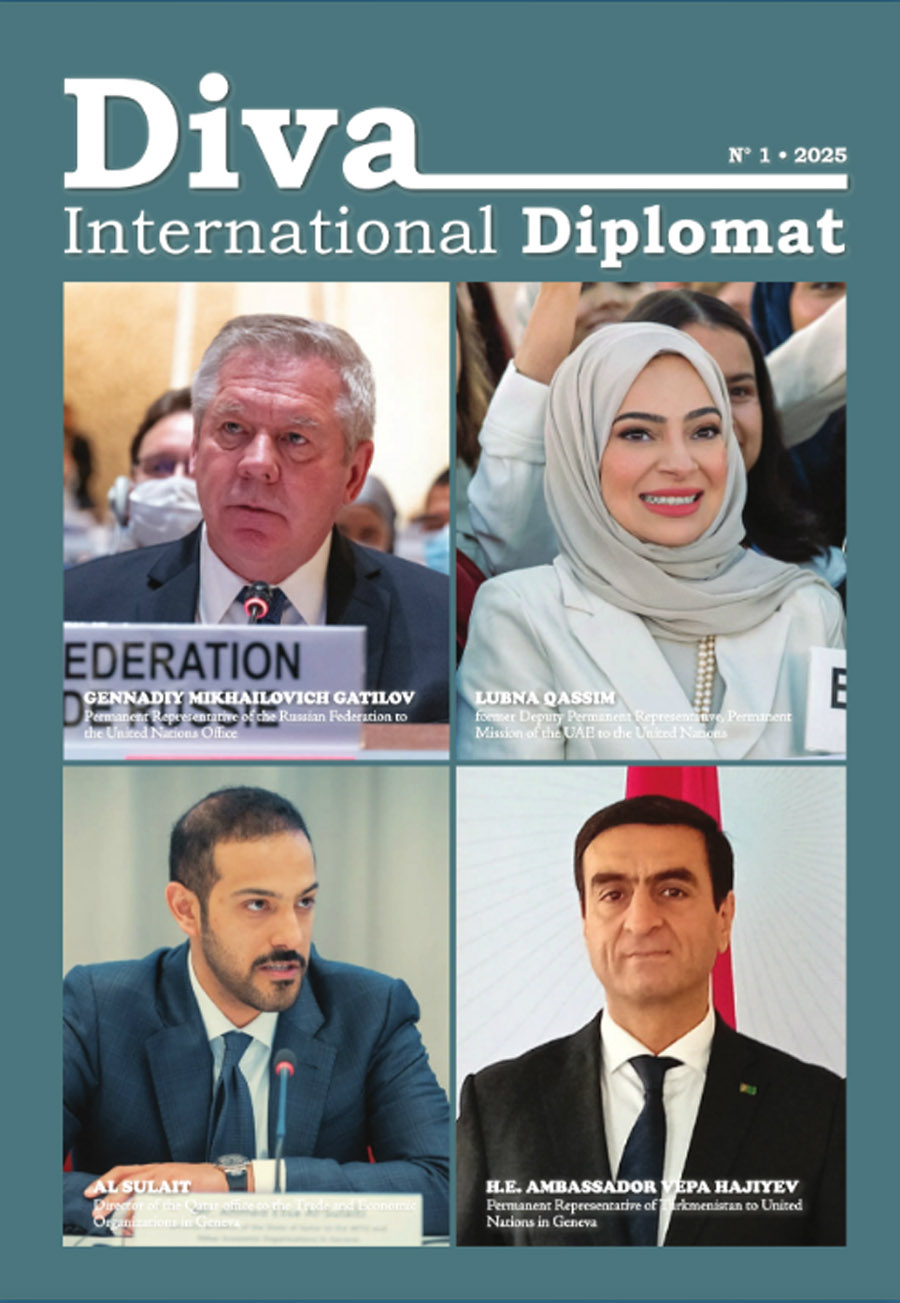
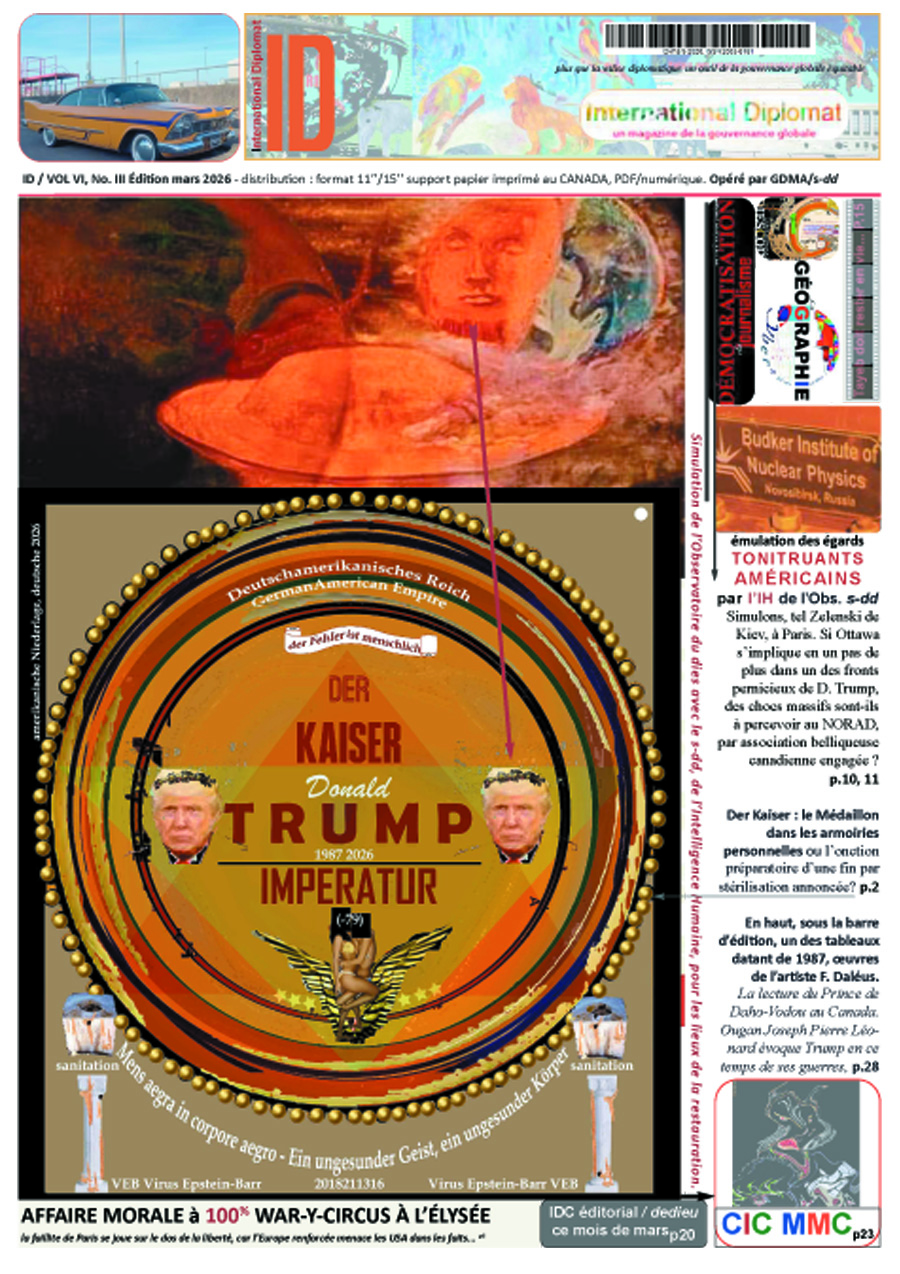
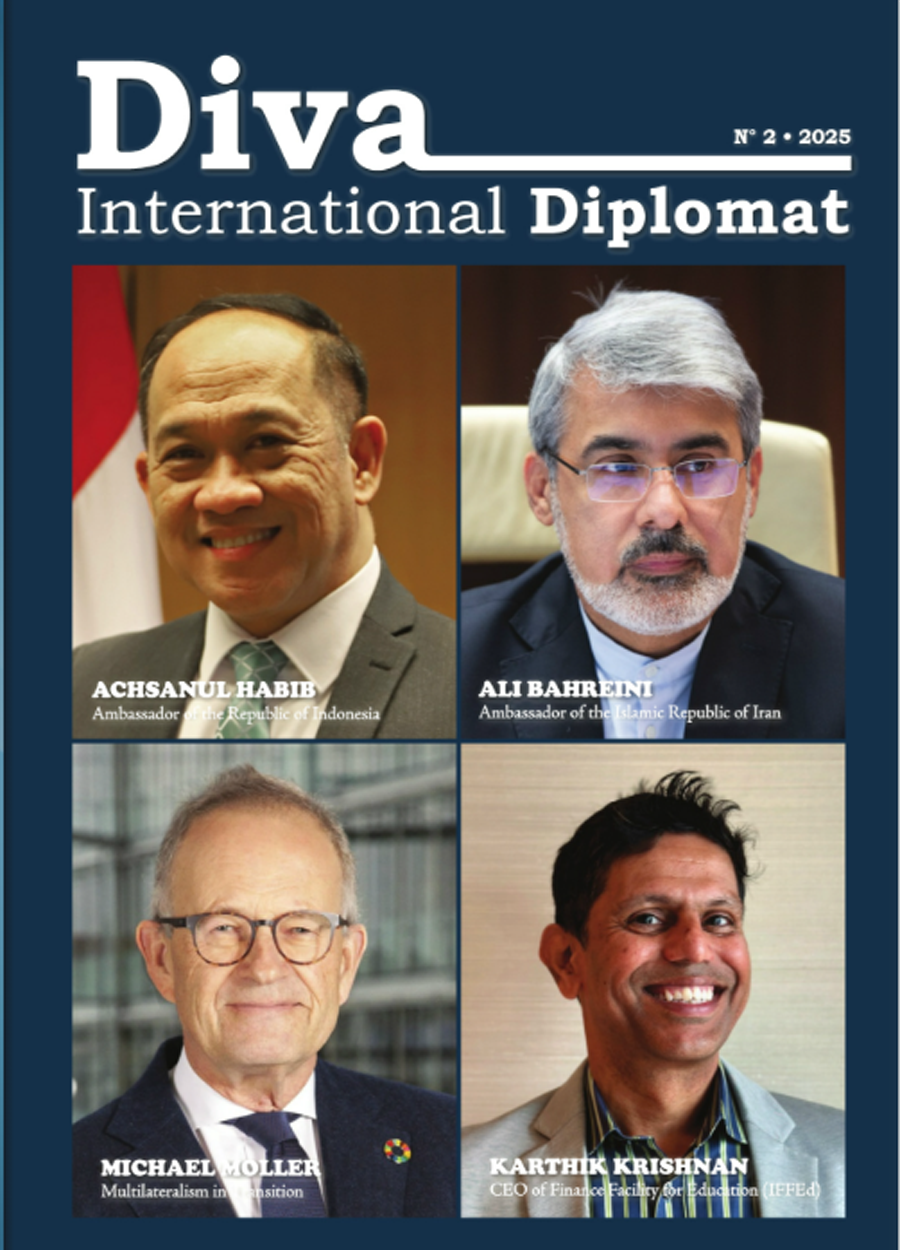
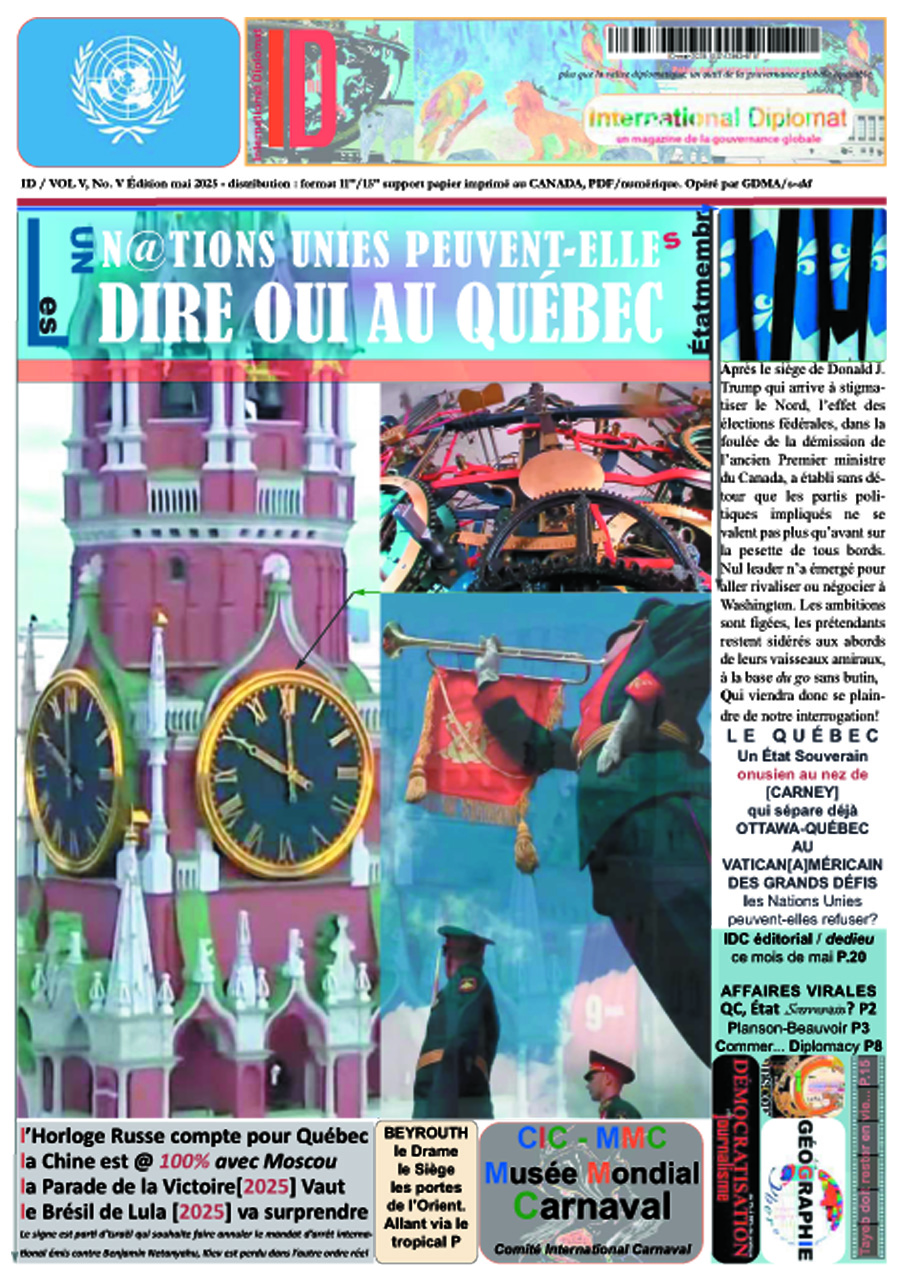
La première édition globale de International Diplomat Magazine a terminé sa migration ultime, les publications ont été conservées. Cependant, nous finalisons encore les indexations au niveau des articles associés aux auteurs respectifs tout en développant les autres éditions indépendantes. Nous sommes installées dans la Constellation GDMA opérée par Système-dedieu.

ID

Traverser les frontières les cultures linguistiques et nationales avec International Diplomat

  • http://divainternational.ch (Geneva)
  • http://internationaldiplomat.com (Global)
  • http://internationaldiplomat.ca (Canada)
  • http://internationaldiplomat.co (Latina)
  • http://internationaldiplomat.net (US)

.
May, 2014
Heidi : a « love story » between Japan and Switzerland Interview of Doctor Takashi Kawashima by Jean-Michel Wissmer

                      Doctor Takashi Kawashima is Professor of German literature at Kyoto University, a specialist of the work of Kafka and Johanna Spyri. He was invited to the last Salon du Livre in Geneva where he participated in a discussion on the reception of Heidi in Japan. Jean-Michel Wissmer, author of a recently published essay on the « myth » of Heidi, took part with him in this presentation and has taken the opportunity to ask him a few questions on this « love story » between Heidi and his country.   JMW. Dr. Kawashima, how did you become interested in Heidi ?   TK. As a book-loving child, I read a lot of Western classics of children’s literature and Heidi was among them. But when I grew up, I was shocked by the fact that other people had a totally different image of Heidi – because they knew only the animated cartoon by Isao Takahata (1974) and I only the original novels by Johanna Spyri. That is why I got interested in this theme, namely the diversity of images of Heidi.   JMW. Can you explain in a few words why Heidi is so…

Read More
En attendant la « Langue Africaine » (2ème partie) Les Africains entre langue française et langues régionales

I – Ecrire les langues africaines. Moustapha Fall résume la situation: « Parmi les dix-sept états d’expression française, certains sont linguistiquement homogènes comme le Rwanda et le Burundi où la langue dominante est la langue maternelle malgré le fait que le français soit la langue de l’administration. D’autres sont linguistiquement hétérogènes, mais possèdent une…

Read More